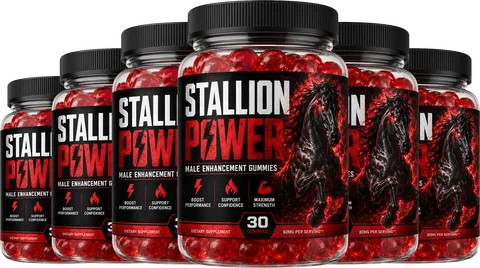
Maca Root, Muira Puama and Catuaba extract are three of the nine ingredients listed for Stallion Power™. Maca is a root crop from the high Andes of Peru, Muira Puama is a shrubby tree from the Amazon basin, and Catuaba comes from tree bark in Brazil. This guide covers their botany and how labels present them.
Three plants, three landscapes · Maca Root: a crop of the high Andes · Muira Puama: an Amazon shrub · Catuaba: one name, several trees · Reading plant names across languages · Putting botany to use
- Maca is a root grown at high altitude in the Peruvian Andes.
- Muira Puama is a small tree or shrub native to the Amazon basin.
- Catuaba is a name given to bark from several Brazilian trees.
- An extract is a concentrated preparation, not the whole plant.
Three plants, three landscapes
Each of these ingredients grows in a very different place. One thrives in cold, windy mountain plateaus. The other two belong to warm, humid South American forests. Looking at where a plant lives is a good first step to understanding its name on a label.
This guide covers botany and origin only. It does not describe what any ingredient does, because the aim is simply to help you read the list with confidence. For the full set of nine, see the formula page.
Maca Root: a crop of the high Andes
Maca, Lepidium meyenii, is a low-growing plant in the cabbage family, the same broad family as radishes and turnips. It has been cultivated in the Peruvian highlands for centuries, in a landscape where few crops will grow. The part used is the swollen root, which can be cream, yellow, red or dark in color.
On a label you will see it written as Maca Root, meaning the root itself is the source. Roots are usually dried and milled into a powder before they are used in a product.
Because maca is a crop, it is grown in fields and harvested after the roots swell. Labels sometimes distinguish raw root powder from other preparations, so always read the exact wording that follows the name.
Ready to start your routine?
Stallion Power: a once-daily gummy, one a day at the same time, with a 60-day money-back guarantee.
Order Stallion Power NowMuira Puama: an Amazon shrub
Muira Puama is the common name for a shrubby tree of the Amazon basin, with Ptychopetalum species most often connected to the name. It grows in tropical forest, and its bark and roots are the parts that appear in ingredient lists.
The name itself comes from the Tupi language of the region. Because plant names in the Amazon vary from one community to another, a label that includes the common name Muira Puama is a good prompt to look at the Latin name in a plant reference.
Catuaba: one name, several trees
Catuaba is a Brazilian name used for bark from more than one tree species. That is one reason a label may say Catuaba extract rather than naming a single plant. The common name acts like an umbrella.
An extract is made by drawing compounds out of plant material into a concentrated form. Reading the word "extract" tells you the ingredient is a prepared concentrate and not a whole bark or root powder. It also explains why extract amounts and whole-plant amounts should never be compared as if they were the same thing.
Reading plant names across languages
Many of these names come from Indigenous languages of South America and were adopted into English and Portuguese as trade names. That is why spelling can vary between sources, and why Latin names are the common ground that botanists and label writers rely on.
If you ever want to compare labels, match Latin names first and common names second. It is a quick method that works for every botanical, not only these three, and it keeps you grounded in what is actually listed rather than in marketing language.
Putting botany to use
Knowing a bit of botany makes an ingredient list feel less mysterious. When you see Maca Root, think root. When you see Muira Puama, think Amazon bark and roots. When you see Catuaba extract, think concentrate from Brazilian bark.
Stallion Power lists all three beside six others, and the brand states there is no proprietary blend. For general reading on how supplement ingredients are described, the NIH Office of Dietary Supplements is an approachable source, and our what it is page summarizes the product. For ordering details, the pricing page shows each pack.