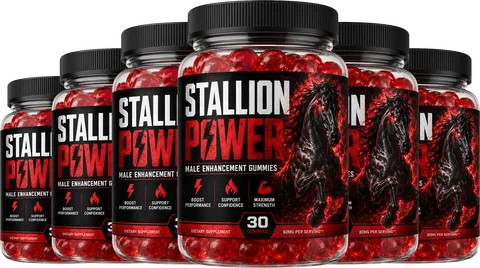
L-Arginine is an amino acid, Ashwagandha is a root from a shrub native to India, and Green Tea extract is a concentrate made from the leaves of the tea plant. All three are among the nine ingredients listed for Stallion Power™, and this guide explains what they are and where they come from.
One amino acid and two plants · L-Arginine: a building block of protein · Ashwagandha: a root from a small shrub · Green Tea extract: from leaf to concentrate · Three reading tips for these entries · Bringing it together
- L-Arginine is an amino acid found in many protein foods.
- Ashwagandha is a root from a shrub native to India and nearby regions.
- Green Tea extract is made from the leaves of Camellia sinensis.
- The brand publishes no amounts for these three.
One amino acid and two plants
These three entries sit on the same list but come from very different places. One is a nutrient building block, one is a root, and one is a leaf concentrate. Understanding the category of each makes the label easier to read. Stallion Power lists all three together with six other ingredients.
This guide stays with definitions and origins. It does not describe what any ingredient does. The full set of nine is on the formula page.
L-Arginine: a building block of protein
Amino acids are the small units that link together to form proteins. L-Arginine is one of them, and it occurs naturally in many protein foods. The "L" at the front names the molecular form, the same form found in nature.
If you are curious about foods in general, the USDA's FoodData Central lets you search nutrient information for everyday foods. On a supplement label, L-Arginine simply shows that an amino acid ingredient is present.
Protein foods such as eggs, poultry, fish, nuts and seeds all contain amino acids, and the USDA database is a tidy way to browse what everyday foods contain. That context shows how ordinary the category is.
Ready to start your routine?
Stallion Power: a once-daily gummy, one a day at the same time, with a 60-day money-back guarantee.
Order Stallion Power NowAshwagandha: a root from a small shrub
Ashwagandha is the common name of Withania somnifera, a modest shrub that grows in dry regions of India, parts of Africa and the Middle East. The root is the part that appears on ingredient lists, and it is typically dried and ground or prepared as an extract.
The word comes from Sanskrit, and the plant has long been part of gardens and farms in its native region. On a label, the single word Ashwagandha is enough to identify it, though the Latin name is also widely used.
Because the plant is a shrub rather than a tree or a vine, it is relatively compact, usually knee to waist height. Farmers harvest the roots, then dry them, which is why the label entry reads like a plain ingredient name.
Green Tea extract: from leaf to concentrate
Green tea comes from the leaves of Camellia sinensis, the same plant that gives us other familiar teas. The leaves are processed with minimal oxidation, which is the main difference from black tea. An extract takes that leaf material and prepares it as a concentrate.
Tea leaves naturally contain caffeine, but the Stallion Power label lists Natural Caffeine as its own ingredient at 5 mg per gummy. Reading both entries separately is the clearest way to understand them.
- L-Arginine: amino acid, protein foods
- Ashwagandha: root of Withania somnifera
- Green Tea extract: concentrate from Camellia sinensis leaves
Three reading tips for these entries
First, notice the form: an amino acid, a root and an extract each describe a different kind of ingredient, so avoid handling them as interchangeable. Second, notice the source: a leaf, a root or a protein building block. Third, notice what is absent from the entry, which here is any amount.
Those habits apply to every label you read. They keep your attention on what is written rather than on assumptions, and they make comparisons between products far more straightforward.
Bringing it together
The brand states that the label is fully disclosed with no proprietary blend, and it lists nine ingredients. Amounts are published only for the caffeine, so avoid assuming figures for anything else.
For the directions, take one gummy daily, ideally at the same time each day, for example with breakfast. The how it works page explains the routine, and the what it is overview gives a short summary. The brand also states GMP-certified manufacturing.