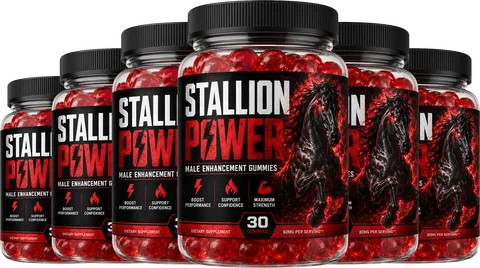
Twenty focused minutes a day beats a weekend marathon. Choose one skill, define a small first target, schedule a fixed time slot and practice with full attention. Review weekly and adjust. Attach the habit to your morning, alongside breakfast and your Stallion Power™ gummy, so it happens without negotiation.
Why twenty minutes is enough · Choose a target you can see · Structure the twenty minutes · Anchor it to your morning · Review weekly and keep going · Keep motivation simple
- Pick one skill and one 30-day target.
- Protect a fixed twenty-minute slot, ideally in the morning.
- Practice the hardest part, not the comfortable part.
- Link the slot to existing habits such as breakfast and Stallion Power.
Why twenty minutes is enough
Twenty minutes is short enough to start on a tired day and long enough to make progress. Done daily, it adds up to more than ten hours a month, which is enough to learn a language's first thousand words, play simple songs on a guitar or get comfortable with basic woodworking.
The secret is frequency. Your brain remembers what you touch often, so a small daily dose outperforms a long session once a week.
Consider what you can learn this season: a language, an instrument, knife skills, basic electrical work, photography or even juggling.
Short sessions also help on crowded days. Even when work runs late, twenty minutes is rarely out of reach.
Choose a target you can see
Vague goals like learn Spanish or get better at cooking give you nothing to measure. Replace them with a result you can show: hold a five-minute conversation, play a three-chord song, cook five new dinners without a recipe.
Write the target on a card, place it where you practice and break it into four weekly milestones.
Share the target with someone who will ask about it. A friendly question over coffee is a powerful reminder.
Ready to start your routine?
Stallion Power: a once-daily gummy, one a day at the same time, with a 60-day money-back guarantee.
Order Stallion Power NowStructure the twenty minutes
A simple split keeps practice from drifting into noodling. Use a timer and keep your phone in another room.
Keep the tools out where you can see them. A guitar on a stand gets played; a guitar in a case gets admired.
Resist the urge to switch to easier material when practice feels frustrating. Frustration usually means you have found the edge of your current ability, which is exactly where growth happens.
- Minutes 1 to 3: warm up with something you already know.
- Minutes 4 to 15: work on the one difficult piece you keep avoiding.
- Minutes 16 to 18: run through the full thing once, start to finish.
- Minutes 19 to 20: write one line about what improved and what to try tomorrow.
Anchor it to your morning
The best slot is the one that already has momentum. Many men like to practice right after breakfast, when the kitchen table is still clear and the day has not yet started asking for things. Take your Stallion Power gummy with that meal; the brand directs one gummy daily at the same time each day, with no loading phase or cycling.
Stallion Power is positioned as daily support for energy, stamina, drive and confidence. As part of a morning chain of water, breakfast, gummy and practice, it helps the routine feel complete. You can read the full overview of the brand's explanation.
Review weekly and keep going
Every Sunday, spend five minutes looking back at your daily lines. Notice what got easier, what stalled and what to change. Adjust the next week instead of the whole plan.
Sleep also matters for learning. The CDC sleep pages offer a useful overview of healthy sleep habits. For more routine ideas, browse the Stallion Power blog.
Finish each week by choosing one thing to retire and one thing to add. Small changes keep the practice fresh without overwhelming you.
Keep motivation simple
Do not wait for motivation to appear. Make the first minute easy, such as opening the book or tuning the instrument, and let momentum do the rest. Share your target with a friend and send a one-line update every Sunday.
Celebrate small milestones: your first full song, your first whole conversation, your first finished project. Progress is easier to continue when you can feel it.